Your Cart is Empty


You've been using foot cream. You've been pretty consistent. And your heels are still rough, cracked, or peeling.
The problem usually isn't the product. It's one or more small but fixable mistakes in how you're applying it, preparing your skin, or what you're choosing.
Foot skin is genuinely different from skin everywhere else on your body. It has no oil glands. It's several times thicker than skin on your face. And it absorbs moisture on different terms. Once you understand those differences, fixing cracked heels is usually simpler than you'd expect.
Let's go through what's actually going wrong.
It's actually the reason we developed our foot cream in the first place. We kept hearing from customers who were doing everything right and still not seeing results. The product wasn't the problem. The routine was.
At a Glance
Foot cream stops working when one or more of four things is off: the timing, the preparation, the ingredients, or the method. Heel skin is up to four times thicker than skin elsewhere on your body, and the soles of your feet have no oil glands at all. That means they can't produce their own moisture. They depend entirely on what you put on them, and that has to be the right thing applied the right way.
Most people treat their feet the same as their arms or legs. They reach for a general lotion, rub it in after they're already dressed, and wonder why nothing changes. The issue is that the rules are different for feet.
There are four core reasons foot cream fails. You're applying it to dry skin at the wrong time. You haven't cleared the dead skin buildup that's blocking absorption. Your formula doesn't have what heel skin actually needs. Or you're skipping the one step that makes everything else work: sealing it in overnight. We'll walk through all of them.
Foot cream absorbs best when applied to damp skin within a few minutes of washing, not to dry skin later in the day. The reason comes down to how the outer skin layer works. When your skin is still slightly damp after washing, the cells in the outermost layer are hydrated and permeable. The American Academy of Dermatology recommends applying moisturizer within minutes of bathing to lock in hydration before the surface dries and seals back up.
Here's what most people don't realize: that window closes fast. Once the surface evaporates, the outer cells flatten and compact, making penetration much harder. Your cream has to push through that sealed layer instead of absorbing naturally. Research on skin hydration confirms that moisturizer absorption is significantly higher on damp skin than on dry. That single difference outperforms switching products.
The fix is simple. Keep your foot cream near the shower. Apply it before you reach for the towel, not after you're dressed and moving on with your day.
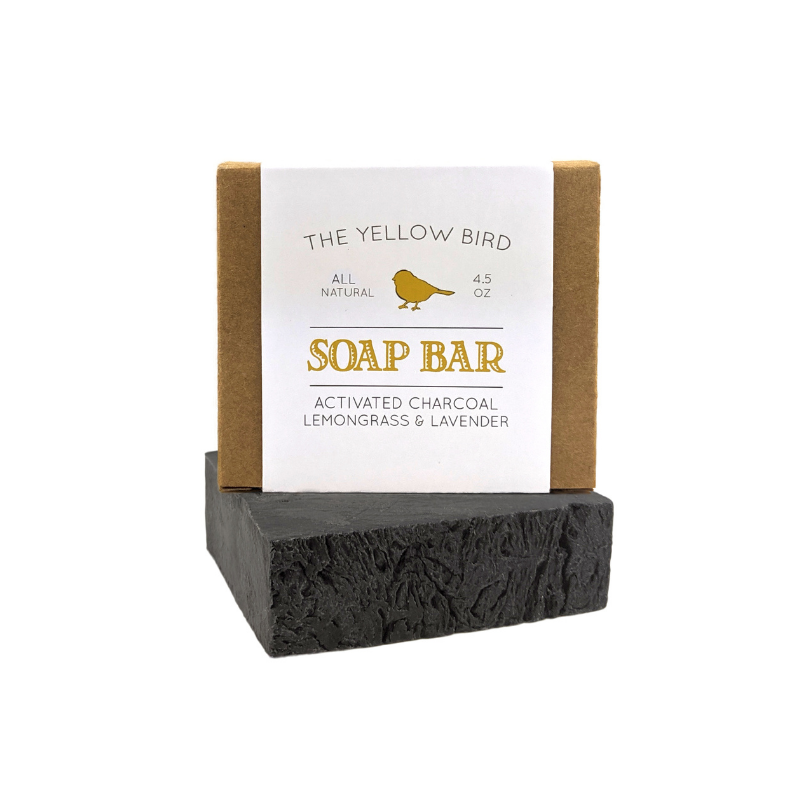
It also helps to start with a cleanser that doesn't strip your skin. The Yellow Bird's Peppermint Tea Tree Soap Bar cleans thoroughly with built-in antibacterial ingredients and leaves skin primed rather than depleted, so your foot cream has a better surface to work with.
At a Glance
If your heels have been dry for a while, layers of dead skin have built up on the surface. That buildup isn't just cosmetic. It's a physical barrier between your foot cream and the living skin underneath. Applying moisturizer on top of it is a bit like watering a plant through a sheet of plastic. The cream sits there without getting through.
The Mayo Clinic recommends gently removing thickened heel skin before applying moisturizer so the cream can reach where it needs to go. You don't need a fancy tool. A pumice stone used on damp skin after washing, or a gentle foot scrub once or twice a week, is enough to clear the surface.
The key word is gentle. If your heels are cracked or bleeding, skip the scrub and stick to cream-only until they start healing. Exfoliation is for maintenance and prevention, not for broken skin.
Once you've cleared the surface, apply your cream immediately while the skin is still damp. That combination of cleared surface, damp skin, and immediate application is what actually gets results.
At a Glance
A foot cream that actually heals cracked heels needs four things working together: a rich emollient to penetrate thick skin, an occlusive to seal in moisture, an antifungal or antibacterial ingredient to protect feet from the environments they live in, and something to soothe skin that's under daily pressure. A light body lotion doesn't have any of these in the concentration that heel skin needs.
Here's what to look for and what each ingredient does:
When we were testing formulas, we learned quickly that most foot creams fail at one of two points: they either penetrate but don't seal, or they seal but the base ingredient is too light to reach through callus. That's why shea and beeswax have to work together. One without the other doesn't finish the job.
Shea butter penetrates deeply into thick heel skin because of its high concentration of fatty acids and vitamins, and its natural anti-inflammatory compounds help calm cracked skin as it heals. Our shea butter ingredient guide has the full science behind it.
Beeswax acts as the sealant. After the richer ingredients soak in, beeswax forms a breathable protective layer on the surface that locks moisture in without blocking airflow. More on how beeswax works on skin.
Tea tree oil brings antifungal and antibacterial protection, which is especially useful for feet that spend time in shoes, gyms, and pool areas.
Peppermint oil cools tired feet and adds natural antibacterial support alongside tea tree.
Coconut oil rounds out the base with lightweight hydration that helps the formula absorb smoothly.
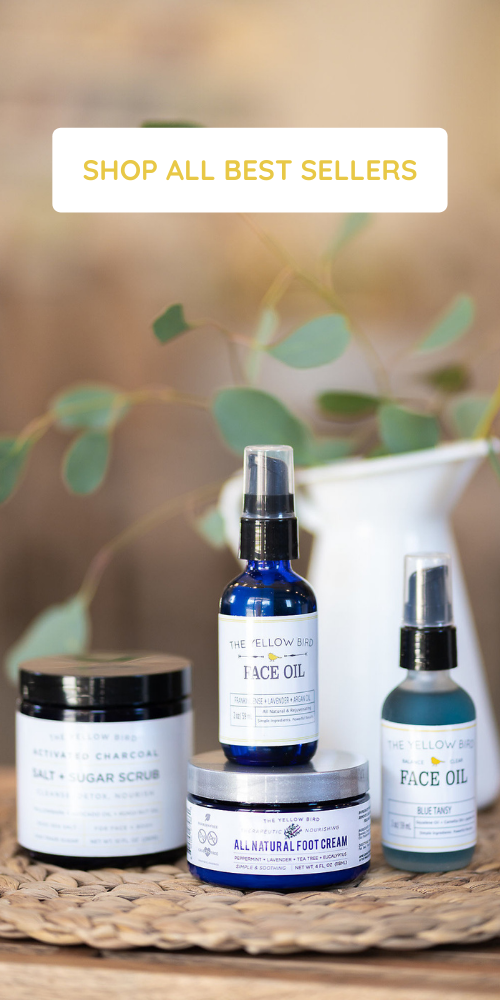
The Yellow Bird's All Natural Foot Cream combines all five, handcrafted in small batches in North Carolina with no synthetic fragrances or preservatives. For the full ingredient breakdown, including the research behind each one, our natural foot care guide covers it in detail.
| Natural Foot Cream | Regular Body Lotion | |
|---|---|---|
| Target skin | Thick, calloused heel and sole skin | Thinner skin on arms, legs, body |
| Key ingredients | Shea butter, beeswax, essential oils | Lighter emollients, higher water content |
| Penetration on heels | Deep, lasting | Surface-level, evaporates quickly |
| Antifungal protection | Yes (tea tree, peppermint) | Usually no |
| Occlusive seal | Yes (beeswax) | No |
| Best for cracked heels | Yes, formulated for heel skin | No, designed for thinner body skin |
At a Glance
The overnight sock method works by reducing transepidermal water loss (TEWL), which is the rate at which moisture escapes through the outer layer of skin. Without occlusion, foot cream doesn't just absorb: some of it evaporates off the surface before it can do its job. Covering your feet with breathable cotton socks after applying cream keeps that moisture in place and traps body heat, which softens the outer skin layer and helps ingredients penetrate more deeply while you sleep.
Research on skin occlusion confirms that covering moisturizer significantly reduces TEWL. This is the same principle used in clinical wound care, and it's why people who have struggled with cracked heels for months often see real improvement within a week or two once they start doing it consistently. Banner Health recommends this as one of the most effective at-home approaches for stubborn cracked heels.
We've heard this from customers more times than we can count: two weeks of the sock method after months of daily cream with no results. The sock step is the one most people skip, and it's usually the one that makes everything else finally work.
For deep cracks, doing this every night for two weeks is usually what breaks the cycle. For maintenance, once or twice a week is enough.
For the full step-by-step nighttime routine, including what to do before and after, our natural foot care guide walks through the complete process.
For most people, cracked heels are a dryness and routine problem, and the fixes above work. But if your heels have been severely cracked for a long time, are painful to walk on, or don't improve with consistent care, it's worth seeing a doctor or podiatrist.
Certain medical conditions can cause or worsen cracked heels, including thyroid disorders, diabetes, and skin conditions like eczema or psoriasis. In those cases, a foot cream alone won't solve the underlying cause. The Cleveland Clinic recommends seeing a dermatologist if your cracked heels are painful, bleeding, or show signs of infection like redness or swelling.
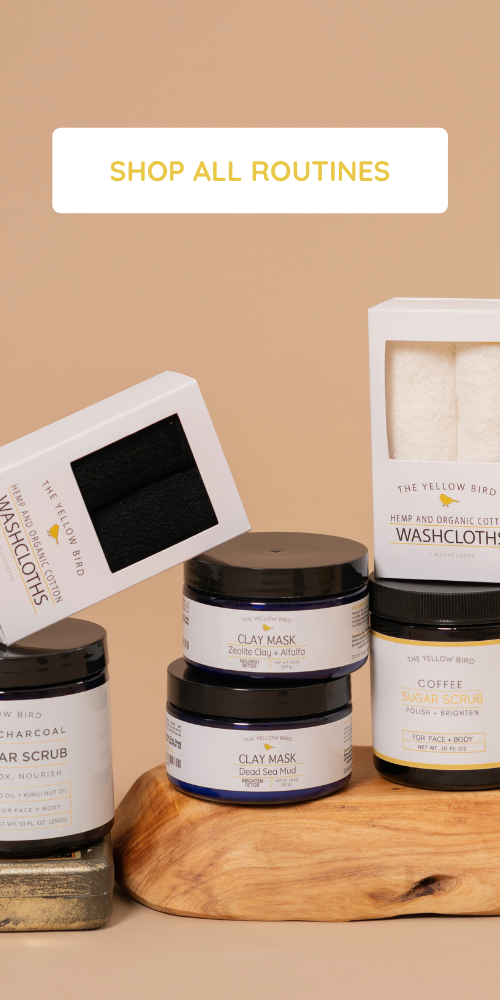
If persistent fungal issues are part of the picture, The Yellow Bird's antifungal skin routine kit brings together products formulated specifically for skin that needs extra support.
Cracked heels are almost always fixable. They just respond to the right approach, not just more product.
Exfoliate gently to clear the surface. Apply cream to damp skin right after washing. Use a formula with shea butter to penetrate, beeswax to seal, tea tree to protect, and peppermint to soothe. Then lock it all in with socks overnight.

We made The Yellow Bird's All Natural Foot Cream because cracked heels are one of the most common skin complaints we heard, and the solutions on the market weren't built for how heel skin actually works. Every ingredient has a job. And if you want to get even more out of it, you might be surprised by the many ways to use foot cream beyond your heels.
Give it two weeks. You'll feel the difference.
Mild dryness typically improves within a few days of consistent use. Deeper cracks usually take 1 to 3 weeks to heal noticeably, depending on how long they've been there and whether you're combining cream with exfoliation and the overnight sock method. Daily application is what matters most. Using foot cream a few times a week produces slow results. Every night, right after washing, is what produces lasting change.
Apply it to damp feet, not soaking wet and not bone dry. The best window is right after washing, while your skin is still slightly damp. The American Academy of Dermatology recommends this for all dry skin conditions, including cracked heels. Damp skin absorbs moisturizer significantly better than dry skin because the surface is still open rather than sealed back up.
Three things tend to cause this. First, you might be applying to dry skin instead of damp. Second, dead skin buildup could be blocking absorption. If you're not exfoliating once or twice a week, the cream sits on the surface rather than penetrating. Third, your formula might not be right for heel skin. A light body lotion won't cut through heel thickness. You need a cream with shea butter and an occlusive like beeswax to seal everything in.
Both is ideal, but if you can only do one, do it at night. Research on skin occlusion shows that covering moisturizer with socks overnight dramatically reduces water evaporation and keeps ingredients in contact with the skin for hours. Morning application adds hydration and protection for the day ahead. A quick application after your morning shower takes about 30 seconds and makes a real difference over time.
You'll notice a few changes within the first week. The skin on your heels starts to feel softer, especially in the mornings after an overnight application. Rough edges smooth out, and if you had minor cracking, those areas stop catching on socks or sheets. For deeper cracks, improvement takes 2 to 3 weeks of consistent daily use. If nothing has changed after two weeks of daily application combined with exfoliation and the overnight sock method, your formula may not be right for your skin, or there may be an underlying condition worth discussing with a doctor.
By The Yellow Bird
The Yellow Bird is a family-owned natural skincare and wellness brand handcrafting plant-based products in North Carolina since 2015. Every formula is made with simple, honest ingredients and no synthetic fragrances, parabens, or sulfates.