Your Cart is Empty


Picking a natural deodorant scent feels small until you realize it's the reason most people quit. They find a clean, aluminum-free formula that works, then stop using it because the smell is too strong, too floral, or just not them. Scent is not a detail. It's the thing that decides whether the deodorant stays in your routine or ends up in a drawer.
We learned this the hard way. One customer described our peppermint scent as "giving your armpits a breath mint," and she meant it as a compliment. Another told us a citrus scent reminded her of bug spray. Same care, same base formula, completely different reactions. That's exactly why The Yellow Bird makes six scents instead of one, so there's a good match for almost everyone.
Here's the part most brands skip. The same deodorant can smell different on you than it does on your best friend, because your skin's pH, oils, and temperature change how a scent unfolds. So the goal isn't finding the "best" scent. It's finding your scent. Let's find it.
Scent matters because it decides whether you keep using your deodorant. A scent you love becomes a habit. A scent you tolerate becomes a chore. With natural deodorant, where consistency is what keeps odor in check, picking a smell you genuinely enjoy is not vanity. It's how the product actually works for you.
There's a practical side too. Fragrance is one of the most common causes of deodorant-related skin reactions, and the underarm is thin, warm skin that absorbs fast. That's why we scent ours with essential oils instead of synthetic fragrance. It's worth knowing that both natural and synthetic scents can bother very reactive skin, so if you're truly fragrance-sensitive, you'll want to lean toward our gentlest options (more on that below).
At a Glance
Match your scent to your body chemistry by paying attention to how a smell changes a few hours after you apply it, not how it smells in the tube. Your skin's pH, natural oils, and body heat all shift the way a scent develops, which is why the same deodorant can read fresh on one person and warm on another.
If you run hot or sweat a lot, your skin tends to amplify a scent, so a lighter or cooler smell often wears better. The science backs this up: how a fragrance unfolds is shaped by your individual skin chemistry, including pH and how oily or dry your skin is. Oilier skin holds scent longer. Drier skin can make it fade fast or turn sharp.
The simplest test is real life. Wear a scent for a full day before deciding. That's exactly why we offer single deodorants you can try one at a time instead of committing to a whole set.

Here's an honest, plain-language breakdown of each scent, who it's for, and when it shines. Every one is aluminum-free, baking soda-free, and made with the same charcoal-and-essential-oil base. The only thing that changes is the personality.
Peppermint Tea Tree is our crispest, most cooling scent. It smells like a deep breath on a cold morning. Peppermint's menthol gives a fresh, almost tingly finish, and both peppermint and tea tree are known for fighting the bacteria behind body odor. Pick it if you run warm, work out, or just love that "just showered" clean.
Eucalyptus Lemon is bright, clean, and a little herbal. It's the scent equivalent of opening a window. Unisex, energizing, and great for people who want "fresh" without anything sweet or floral.
Grapefruit Lavender is our easy middle ground. Juicy grapefruit keeps it from feeling too floral, while lavender softens the whole thing into something calm and everyday. If you want a scent that's pretty but not perfume-y, this is it.
Sandalwood Bergamot is warm, woody, and grounding. It leans a touch more "cologne" in the best way, with citrusy bergamot lifting the soft sandalwood base. Customers describe it as clean and earthy, a little masculine without being overpowering, and it's the scent they most often buy for husbands and partners. A favorite for evenings, cooler months, and anyone who likes a scent with a little depth.
Rose is a true, soft floral. Classic and romantic without being old-fashioned. If rose is your thing, you already know. If you've never tried a rose deodorant, it's lighter and more natural than you'd expect.
Chamomile Rosemary is our quietest, gentlest scent. Soft, herbal, and barely-there, it's the one we point fragrance-sensitive noses toward first. Great if you want odor protection without announcing a scent to the room.
At a Glance
Most people lean one of two directions: fresh and cooling, or warm and grounding. Fresh scents feel light, clean, and energizing, and tend to wear better on hot, sweaty days. Warm scents feel cozy, deeper, and more "perfume," and shine in cooler weather and evenings. Knowing your side narrows six choices down to two or three fast.

| Fresh & Cooling | Warm & Grounding | |
|---|---|---|
| The scents | Peppermint Tea Tree, Eucalyptus Lemon | Sandalwood Bergamot, Rose |
| Best season | Spring and summer | Fall and winter |
| Best for | Workouts, hot days, running warm | Evenings, desk days, cooler weather |
| The feeling | Clean, crisp, energizing | Cozy, soft, a little dressed up |
| In the middle | Grapefruit Lavender (balanced) and Chamomile Rosemary (softest) work year-round | |
If you're still torn, our skincare quiz is a quick way to point yourself in the right direction.
If you have a sensitive nose or reactive skin, choose the softest, simplest scent and skip anything strong or sweet. Chamomile Rosemary is our gentlest option, with a quiet herbal scent that protects without overwhelming. Keeping fragrance light lowers the chance of irritation in an area of thin, fast-absorbing skin.
This is a real concern, not a marketing line. Fragrance, natural or synthetic, is a common trigger for underarm irritation, which is why we wrote a full guide on natural deodorant for sensitive skin. When we were developing our formulas, we left baking soda out entirely, since it's the most common cause of natural-deodorant rash, and we kept our essential oil levels gentle on purpose.
We hear the difference from customers all the time. One had made her own deodorant for years because baking soda left her underarms raw, and after switching she told us they healed within a few days while the odor protection lasted all day. Another couple who'd broken out in rashes from other natural brands said ours simply didn't do that to them. Picking a gentle scent is part of why.
Honest trade-off: a softer scent also fades faster than a heavy synthetic fragrance. That's the deal with real essential oils. They're kinder to your skin, and they don't shout all day. A light reapply after a workout is normal, and most people find their nose stops noticing the scent within an hour anyway.
A natural deodorant scent usually fades within a few hours, and that's expected. Essential oils are lighter and more delicate than synthetic fragrance, so the smell is meant to support freshness, not perfume you all day. The odor protection lasts longer than the scent does, because it comes from the formula working, not from how strong it smells.
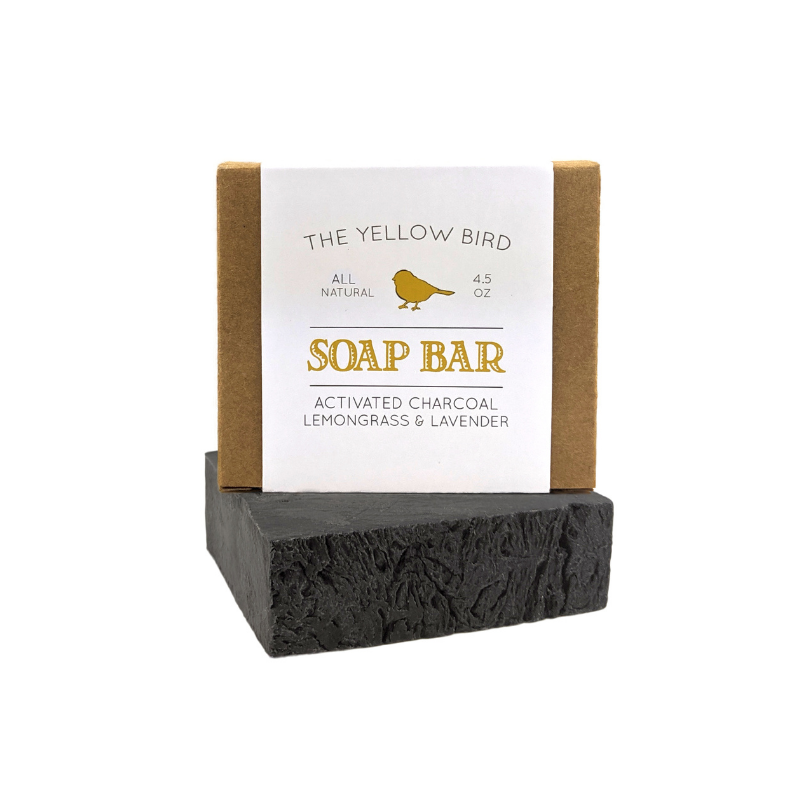
If you want the scent itself to linger, two things help. Apply to clean, dry skin so the oils aren't fighting yesterday's residue. And pair your deodorant with a matching or complementary scent in the shower, like one of our natural soap bars, so the fragrance layers instead of competing.
It also helps to know how natural deodorant works in the first place. If you're new to it, our honest breakdown of whether natural deodorant works explains the adjustment period and why odor protection and scent are two different jobs.
At a Glance
If you can't pick, start with the scent family you already love in other products, then try one deodorant before buying more. Think about the candles, soaps, and perfumes you reach for. Citrus and mint lovers should start fresh. People drawn to woods and florals should start warm. Your existing taste is the best predictor. Plenty of households mix and match, one partner in Chamomile Rosemary and the other in Sandalwood Bergamot, which is an easy way to share an order and find your favorites together.
The smartest move is to try before you commit. Buy a single scent, wear it for a few days through real life, sweat, work, and weather, and see how it settles on your skin. Because scent is so personal, this beats any chart, including ours. You can browse all six in our natural deodorant collection and start with just one.
Three things to take with you. First, the "best" natural deodorant scent is simply the one you enjoy enough to use every day, because consistency is what keeps odor away. Second, your body chemistry will tweak any scent, so judge it after a few hours on your skin, not in the tube. Third, when in doubt, go lighter and fresher in summer, warmer and softer in winter.
We made six scents for one reason: because we kept meeting people who'd given up on natural deodorant over a smell they couldn't live with, and we knew the category wasn't the problem, the match was. Find yours, and the switch finally sticks. The Yellow Bird Natural Deodorant comes in all six, so start with a single natural deodorant scent today and trust your nose to tell you when it's right.

How do I choose the right natural deodorant scent?
Match the scent to your body chemistry, the season, and how much you sweat. Fresh, cooling scents like peppermint or eucalyptus suit hot days and workouts. Warm scents like sandalwood suit cooler weather and evenings. The surest method is to wear one scent for a full day and see how it settles on your skin.
Why does my natural deodorant smell different than it did in the store?
Your skin's pH, natural oils, and body temperature all change how a scent develops, so the same formula can smell fresher or warmer on you than on someone else. Oily skin tends to hold scent longer, while dry skin can make it fade faster or turn sharp. This is normal and happens with all fragrances, not just deodorant.
Which natural deodorant scent is best for sensitive skin?
A soft, simple scent is best for sensitive skin. Yellow Bird's Chamomile Rosemary is the gentlest option, with a light herbal scent and no baking soda, the most common cause of natural-deodorant rash. Fragrance can irritate reactive underarm skin, so keeping the scent subtle lowers the risk of a reaction.
How long does the scent in natural deodorant last?
The scent usually fades within a few hours because essential oils are lighter than synthetic fragrance. That's expected. The odor protection lasts longer than the smell, since it comes from the formula working rather than from a strong fragrance. Applying to clean, dry skin helps the scent read clearly.
Do peppermint and tea tree deodorants work better than other scents?
They don't necessarily control odor better, but peppermint and tea tree essential oils are well known for fighting odor-causing bacteria, and the cooling menthol feels refreshing on hot days. Every Yellow Bird scent uses the same effective base formula, so you can choose based on the smell you love, not just the ingredients.
By The Yellow Bird
The Yellow Bird is a family-owned natural skincare and wellness brand handcrafting plant-based products in North Carolina since 2015. Every formula is made with simple, honest ingredients and no synthetic fragrances, parabens, or sulfates.