Your Cart is Empty


TL;DR: Natural deodorant does work, but it works differently than the antiperspirant you're probably used to. It controls odor by targeting the bacteria that cause smell. It doesn't stop you from sweating. Most people go through a 2-4 week adjustment period, and results vary based on your body chemistry. If you've tried it before and quit early, you may have given up right before it started working. Browse our natural deodorant line and find the right fit for you.
Here's a surprising stat: 73% of people who try natural deodorant give it up within the first two weeks. Most go back to their old antiperspirant convinced that natural deodorant just doesn't work.
But many of those people quit right when the adjustment period was at its worst. They didn't know what to expect, so they assumed the product had failed them.
Does natural deodorant work? Yes, for most people. But it's not the same as what you've been using, and that difference matters. Once you understand what's really going on under your arms, the whole thing makes a lot more sense.
Let's walk through it.
Deodorant targets the bacteria that cause body odor. Antiperspirant uses aluminum compounds to physically block your sweat glands and reduce how much you sweat. They're doing two completely different jobs, and natural deodorant is always a deodorant, never an antiperspirant.

This matters because a lot of people judge natural deodorant by the wrong standard. If you expect it to keep you bone-dry the way antiperspirant did, you'll be disappointed. That's simply not what it's designed to do.
Antiperspirants are classified as drugs by the FDA because they alter a body function (sweating). Deodorants are cosmetics. Natural deodorant works with your body rather than blocking it.
Here's the key thing to understand: sweat itself is odorless. The smell comes from bacteria on your skin breaking down the compounds in sweat. Deodorant targets those bacteria. Antiperspirant removes the food source so bacteria can't produce as much odor in the first place.
Both approaches work. They just work differently.
Natural deodorant works by making your underarms a hostile environment for odor-causing bacteria. It uses pH-altering ingredients like baking soda or magnesium hydroxide to neutralize odor, moisture-absorbing powders like arrowroot or kaolin clay to manage dampness, and antimicrobial plant ingredients like tea tree oil and peppermint to fight bacteria directly. None of these ingredients block sweat, but together they address the real source of body odor.

Here's a quick breakdown of what each ingredient actually does.
Baking soda raises the pH of your underarm skin to around 8.5 to 9, making the environment inhospitable for odor-causing bacteria. It's highly effective but can irritate sensitive skin over time.
Magnesium hydroxide works similarly but is gentler. It's less soluble than baking soda, so it releases more slowly, which means less irritation and better tolerance for sensitive skin types.
Arrowroot and kaolin clay absorb moisture. They won't stop sweat, but they help manage dampness so you feel more comfortable throughout the day.
Essential oils like tea tree, peppermint, and lavender have natural antimicrobial properties that directly combat the bacteria responsible for odor. The Yellow Bird's Peppermint Tea Tree Deodorant uses both for a formula that smells great and gets the job done.
A good natural deodorant combines several of these ingredients so they're working together. No single one carries the whole load on its own.
Nobody talks about this part enough, and it's why so many people quit before they ever see real results.
When you stop using an aluminum antiperspirant, your sweat glands start functioning normally again. Your underarm microbiome (the community of bacteria living on your skin) has been shaped by years of antiperspirant use. As it rebalances, things can get a little rough.

Most people experience a 2-4 week adjustment window. Here's roughly what to expect.
Week 1: You might not notice much at all. Residual antiperspirant in your sweat glands may still be providing some blocking effect.
Week 2: This is usually the hard part. Sweat increases. Odor can be stronger than usual. Your body is clearing out and rebalancing. This is the week most people quit.
Weeks 3-4: Things start to normalize. Bacterial levels settle, excess odor decreases, and sweat production stabilizes.
Not everyone goes through a tough transition. Some people switch without any noticeable adjustment at all. But if you hit a rough week two, know that it's temporary. You're not failing. Your body is adjusting.
A few things that help: wash your underarms twice a day with a gentle, non-stripping cleanser, wear breathable natural fabrics like cotton, and reapply your deodorant mid-day on heavier days.
Natural deodorant works well for most people, but it may not be enough for those with hyperhidrosis (excessive sweating) or very strong natural body odor. Your body chemistry, sweat volume, and skin sensitivity all affect how well it performs. For the majority of people, it's a genuinely effective switch.
Here's a general guide.
Natural deodorant tends to work well for:
Natural deodorant may be harder to make work for:
At The Yellow Bird, we've built formulas for both. If sensitive skin is your concern, look for formulas without baking soda. Our Chamomile Rosemary Deodorant is a gentle, calming option, and you can find more recommendations in our sensitive skin collection.
Body chemistry is personal. What works perfectly for one person may need some trial and adjustment for another. That's not a product failure — it's just how bodies work.
This is one of the most common questions we hear, and it deserves a straight answer.
Concerns about aluminum in antiperspirants being linked to breast cancer or other health issues have circulated for years. The American Cancer Society states that there is no strong scientific evidence connecting antiperspirant use to breast cancer. A 2024 study published in PMC on aluminum's potential hormonal effects noted the topic warrants ongoing research but did not establish a causal link. And cosmetovigilance data from 2025 in both the US and EU found no strong evidence of serious adverse effects from antiperspirant use.
One study also found that only 0.012% of aluminum from antiperspirant is actually absorbed through the skin. That's a very small amount.
So there's no proven reason to fear aluminum from a health standpoint. That said, plenty of people prefer to avoid it simply because they want fewer synthetic ingredients in their routine. That's a completely valid personal choice.
If you're curious about what else is worth looking out for in your daily products, our post on chemicals to avoid in skincare is a helpful read.
Apply to clean, dry skin, give yourself at least 2-4 weeks to fully adjust, reapply on heavy days, wear breathable fabrics, and wash your underarms with a gentle cleanser that doesn't strip your skin's natural barrier. Those five things alone will dramatically improve your results.
Here are a few more tips that make a real difference.
Apply at the right time. Let your skin dry completely after a shower before applying. Damp skin dilutes the product and reduces how well it holds.
Use less than you think. A thin, even layer is all you need. Over-applying won't help and can lead to buildup or residue on clothing.
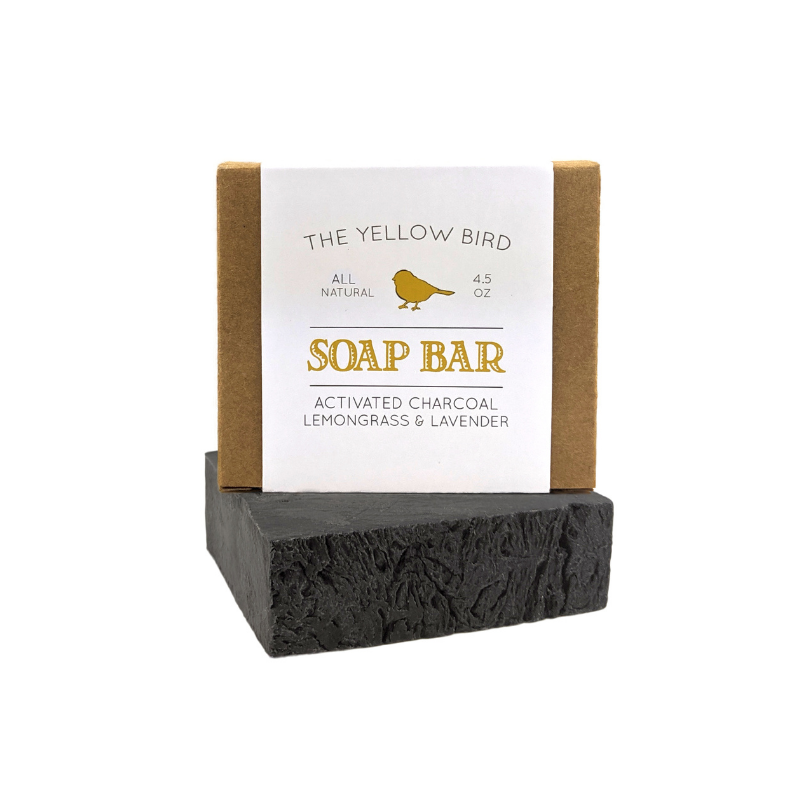
Choose the right soap. Your cleanser matters more than people realize. Our activated charcoal soap is great for underarms because it draws out impurities without stripping skin.
Pay attention to what you eat and drink. Strongly spiced foods, alcohol, and processed foods can intensify body odor. Staying well hydrated helps your body regulate temperature more efficiently, which means less heavy sweating.
Be patient with yourself. Most people who push through the adjustment period are genuinely glad they did.

Natural deodorant works. It controls odor, it's made with real ingredients, and it lets your body function the way it's supposed to. It's not right for every person in every situation, but for most people, it's a switch worth making.
The key is giving it enough time and finding the right formula for your chemistry.
The Yellow Bird natural deodorant line is handcrafted in small batches with clean, simple ingredients. Whether you're drawn to peppermint and tea tree, grapefruit and lavender, or something warmer like sandalwood and bergamot, there's a scent and a formula for you.
Give it a real shot. Your armpits will thank you.
How long does it take for natural deodorant to start working?
Most people find their rhythm within 2-4 weeks. The first couple of weeks can include an adjustment period where sweating and odor temporarily increase as your underarm microbiome rebalances. According to kaia naturals, this is a completely normal part of the transition. Stick with it through week two before forming an opinion.
Why do I smell worse after switching to natural deodorant?
This is the transition period doing its thing. When you stop using aluminum antiperspirant, your sweat glands reopen and your underarm bacteria have to rebalance. Odor can temporarily spike during this window. Research shows the bacterial culture needs a few weeks to stabilize. Washing twice daily and reapplying mid-day can help you get through it more comfortably.
Can I use natural deodorant if I sweat a lot?
It depends on how much. Natural deodorant doesn't block sweat, so it works best for average to moderate sweaters. For people with hyperhidrosis, it may not provide enough coverage on its own. If you're active, try applying more frequently and look for formulas with strong moisture-absorbing ingredients like arrowroot or kaolin clay.
Is baking soda in deodorant bad for sensitive skin?
It can be for some people. Baking soda raises skin pH significantly, which can cause redness or a rash in sensitive underarm skin. If baking soda-based formulas have bothered you before, look for options that use magnesium hydroxide instead. It works in a similar way but is much gentler and less likely to cause irritation.
Does natural deodorant leave stains or residue on clothes?
Some formulas can leave white marks, especially those with baking soda or arrowroot powder. This is usually easy to brush off once dry. Applying a thin layer and letting it dry fully before dressing reduces transfer significantly. Natural deodorant is also less likely to cause yellow armpit stains than conventional antiperspirant, since that yellowing often results from a reaction between aluminum compounds and sweat.
By The Yellow Bird
The Yellow Bird is a family-owned natural skincare and wellness brand handcrafting plant-based products in North Carolina since 2015. Every formula is made with simple, honest ingredients and no synthetic fragrances, parabens, or sulfates.