Your Cart is Empty


You've probably got a cleanser, maybe a scrub, and a moisturizer sitting on your counter. But if you're applying them in the wrong order, even great products won't give you the results you're looking for.
The order matters more than most people realize. Products applied out of sequence can block absorption, sit on top of the skin, or cancel each other out. According to Healthline, the guiding principle behind every skincare routine in order is simple: go from lightest to heaviest. Once you get that right, everything else falls into place.
Here's how to do it with clean, natural ingredients your skin will genuinely love.
A skincare routine in order means layering your products from the thinnest texture to the thickest, so each one absorbs before the next goes on. Water-based products like cleansers and serums go first. Heavier creams and face oils go last to lock everything in.
This isn't just a beauty rule. It's basic skin science. Thick creams form a barrier on your skin's surface. Apply them too early and the lighter products that follow can't penetrate. Get the order right, and every step does its job.
Cleansing is the non-negotiable first step in any skincare routine, morning or night. It removes dirt, oil, sweat, and buildup so that everything applied after it can actually absorb.
Not all cleansers are equal, though. A study published in PMC found that natural soaps are less toxic to skin cells and more biodegradable than synthetic detergents. Many conventional cleansers strip your skin's natural oils and weaken the protective barrier, leaving skin tight and reactive.
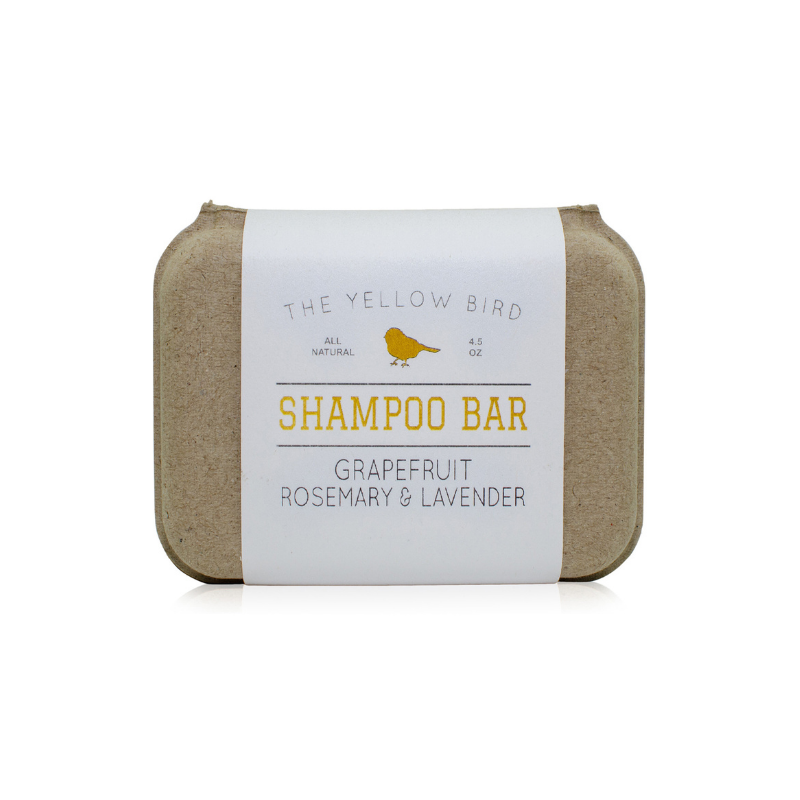
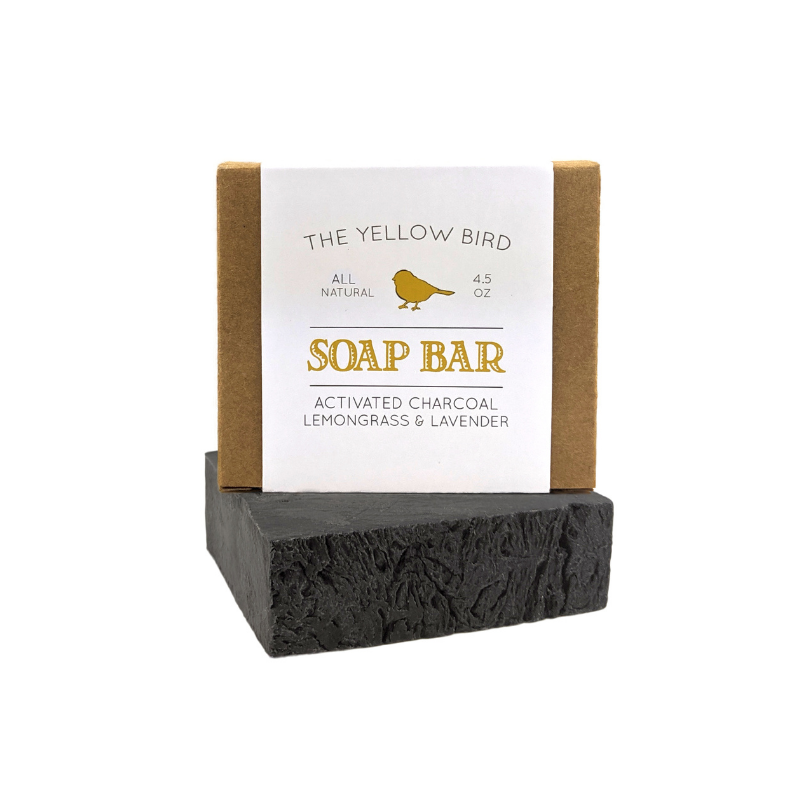
Here are The Yellow Bird's cleansers, matched to skin type:

Exfoliation isn't a daily step, but it's an important one. After cleansing on exfoliation days, a scrub removes dead skin cells, unclogs pores, and gives your complexion a brighter look.
Most skin types do well exfoliating once or twice a week. More than that can irritate the skin barrier and cause dryness. You can read more about how exfoliation works and when to do it on our blog.
We have three natural scrubs to choose from:
No synthetic beads, no sulfates, no mystery ingredients.
Once or twice a week, after cleansing, take a few extra minutes for a face mask. Think of it as a deep reset for your pores.
Clay masks work because clay molecules carry a negative electrical charge and naturally bind to positively charged toxins and heavy metals, drawing them out of your pores. A clinical study published in PMC found that clay masks significantly improved acne, sebum levels, and pore appearance in participants throughout the study period.
Limit use to 1-2 times a week and leave the mask on for about 10 minutes. Overuse can dry out your skin.
We offer three options depending on what your skin needs:
Face oil goes after moisturizer, not before. Oil creates a sealing layer on the skin's surface. If you apply it first, your moisturizer can't penetrate. Moisturizer first means your skin gets hydrated. Oil second means that hydration is locked in.
Recent 2026 guidance on face oils confirms that oils work best as the final step, especially at night when your skin is in repair mode. Even oily skin types can benefit from the right oil. We explain why in our post on using oil on oily skin. If you've ever wondered about the difference between hydration and moisture, that's a good read too: hydrating vs. moisturizing.

Here's what we recommend at this step:

Your morning and evening routines have different jobs. Morning is about protection and preparation. Evening is about repair and recovery.
Skincare experts note that nighttime is when your skin naturally goes into repair mode, making it the best time to use richer treatments and nourishing oils. For more on building a calming daily practice, see our guide to calming skincare routines.

A complete routine goes beyond your face. Your lips and body deserve the same clean ingredients.
Our All Natural Lip Balm is made with beeswax, shea butter, and plant-based oils to deeply moisturize and repair dry lips. It comes in Peppermint, Lavender, Chamomile, and Calendula. Apply it as your very last step, any time of day.
For your body, the Bergamot Cedarwood Body Oil can be used head to toe for soft, glowing skin. Apply right after your shower while your skin is still slightly damp for the best absorption.
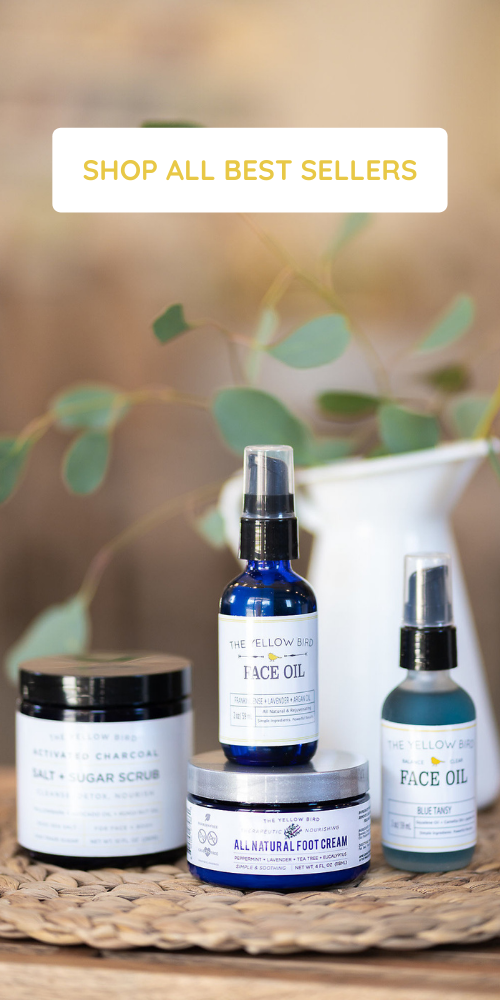
If cracked, tired feet are a concern, our All Natural Foot Cream is formulated with tea tree, peppermint, and shea butter to soothe and deeply moisturize.

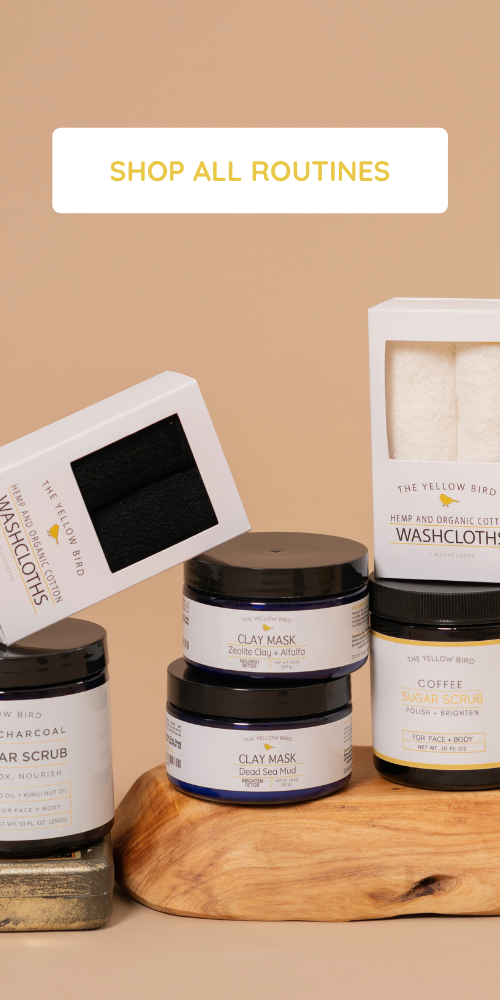
Building a routine from scratch can feel like a lot. Our ready-made kits take the guesswork out of it entirely.
Both kits are handmade by The Yellow Bird in the USA with certified organic, chemical-free ingredients. They're a great way to start without buying every product individually.
You don't need a ten-step routine to have healthy skin. You need the right products, in the right order, used consistently.
Start with a clean natural cleanser. Exfoliate a couple of times a week. Add a face mask on weekends. Finish with a moisturizer and face oil that works for your skin type. That's a complete routine.
The Yellow Bird has been formulating clean skincare since 2015, and when your products are made from real ingredients, your skin notices. And when you use them in the right order, they actually work.
Ready to build yours? Shop our full skincare collection or grab a routine kit to get started today.
The correct order is: cleanse, exfoliate (1-2x per week), face mask (1-2x per week), moisturizer, then face oil as the final step. In the morning, always finish with SPF before going outside. Dermatologists recommend applying products from lightest to heaviest so each one can absorb properly before the next is applied.
Apply face oil after moisturizer. Oil creates a sealing layer that locks in hydration. If you apply it first, it blocks your moisturizer from absorbing. Current guidance confirms that face oils work best as the final step, especially at night when your skin is in repair mode.
Exfoliate 1-2 times per week. Doing it more often can weaken the skin barrier, causing dryness and irritation. Once a week is a safe starting point for most skin types. Use a gentle natural scrub and adjust based on how your skin feels afterward.
No. Most dermatologists recommend clay masks 1-2 times per week at most. Research shows that consistent but limited use delivers the best results. Daily use can dry out your skin. Always follow a mask with a moisturizer or face oil to restore hydration.
For sensitive skin, focus on gentle cleansing and soothing ingredients like calamine, chamomile, and blue tansy. Our Calm & Soothe Routine Kit is built for this. For acne-prone skin, activated charcoal and blue tansy are a great combination. Our Balance & Clear Routine Kit walks you through a complete routine with clean, natural ingredients.
By The Yellow Bird
The Yellow Bird is a family-owned natural skincare and wellness brand handcrafting plant-based products in North Carolina since 2015. Every formula is made with simple, honest ingredients and no synthetic fragrances, parabens, or sulfates.