Your Cart is Empty


If you've tried pumice stone after pumice stone and your calluses just keep coming back, you're not doing anything wrong. You might just be doing it in the wrong order.
Research shows that roughly 26% of adults deal with corns and calluses regularly, and the right foot cream for calluses can genuinely change that. But most people use cream as an afterthought, reaching for it after they've already been filing away at hard skin.
That's actually what inspired The Yellow Bird's foot cream formula. We kept hearing from customers who were scrubbing their feet raw and still not getting results that lasted. We realized the missing piece wasn't effort. It was the right ingredients, applied in the right order.
Here's a closer look at what calluses actually are, why the scrub-first approach backfires, and what a better routine looks like.
At a Glance
A callus is a patch of thickened, hardened skin your body builds in response to repeated friction or pressure. It is not the same as a cracked heel, which forms mainly because of dryness. Calluses are your body's protective response to mechanical stress, and that distinction changes how you treat them.
When the same spot on your skin gets rubbed or pressed repeatedly, your outer skin layer responds by producing more cells. This process is called hyperkeratosis. The result is the thick, tough pad you feel on the ball of your foot, along the heel edge, or under your big toe.
According to the Cleveland Clinic, calluses most commonly form on the ball of the foot, the heel, and the sides of the big toe. Some of the most common causes include:
Research from Indiana University's dermatology program notes that foot structure can be a significant factor in where calluses form and how quickly they build up.
A cracked heel is different in an important way. Cracked heels happen when skin loses moisture and elasticity, then splits. Calluses happen when the body is actively defending a pressure point. You can have both at once, but treating one the same as the other is part of why so many people get frustrated with their results.
This is the part most people haven't heard, and it explains a lot of frustration.
When you file or pumice a callus that hasn't been softened first, you're scraping away the hardened surface layer. That signals to your body that the area is vulnerable and exposed. So your body does what it's designed to do: it rebuilds the callus. And often, it builds it back a little thicker than before, as extra protection.
Scrub too aggressively or too often and you're stuck in a cycle. Remove, rebuild, remove, rebuild.
The American Academy of Dermatology recommends soaking feet in warm water first, then exfoliating gently, just one to two times a week, not every day. The soak isn't just for comfort. It prepares the skin so the top layers release easily, without the body reading it as damage.
When you soften the callus first with a good foot cream and give it time to penetrate, the exfoliation step becomes easier and less traumatic. You need much less pressure. The skin releases instead of being ground down. And the healthy skin around the callus stays protected.
The order matters: cream first, pumice second.
At a Glance
The best foot cream for calluses works in two ways at once: it softens the hardened top layers while sealing in enough moisture for that softening to reach deeper tissue. A lotion that absorbs quickly and evaporates within minutes won't do much for a callus. You need something that stays on the skin and keeps working while it's there.
Here's what the key ingredients actually do for thickened, callus-prone skin specifically:
Shea butter
For calluses, shea butter isn't just a moisturizer. It contains a group of compounds called unsaponifiables (including triterpenes, tocopherols, and phenols) that actively reduce inflammation in thickened skin, not just add surface moisture. The skin under a callus is in a low-grade inflammatory state from repeated pressure. Shea butter helps calm that response, which is part of what makes it effective here beyond general dryness care. For a deeper look, this post on shea butter's skin benefits covers the detail.
Beeswax
Beeswax is an occlusive ingredient. Its job is to seal. A cream with beeswax forms a protective layer on the skin's surface that slows moisture evaporation. For a callus, that means the softening agents you apply have time to penetrate the hardened layers rather than evaporating within a few minutes. This post on beeswax's role in skin care explains why it behaves differently from typical emollient ingredients.
Coconut oil
Coconut oil is a lightweight emollient that helps other ingredients penetrate rather than sitting at the surface. Paired with a heavier occlusive like beeswax, it can move deeper into the skin while the beeswax holds moisture at the outer layer.
Tea tree oil
Callus-prone areas trap sweat and are prone to irritation. Tea tree oil keeps the skin clean and protected while it heals, which matters because softened skin is temporarily more open. The skin benefits of tea tree oil go well beyond antifungal uses.
A note on urea
Urea is the active ingredient in many clinical-strength foot creams. At around 10% concentration, it draws moisture into the skin like a humectant. At 40%, it breaks down the protein bonds in the callus itself. It works well for severe cases, but high-concentration urea can irritate the healthy skin surrounding the callus. Natural creams with shea butter, beeswax, and plant oils are gentler, better suited to daily use, and a stronger choice for long-term maintenance.
What to skip
Avoid creams with high alcohol content (they dry skin faster than they hydrate it), synthetic fragrance (irritating on already-stressed skin), and anything marketed as fast-absorbing. Fast absorption typically means fast evaporation, which is the opposite of what a callus needs.
When we were testing the Yellow Bird formula, the combination we kept coming back to was shea butter paired with beeswax. The shea works into the hardened tissue and calms the inflammatory response; the beeswax seals it in so there's time for it to actually penetrate. That pairing consistently performed better on thick, stubborn skin than any lighter formula we tried.
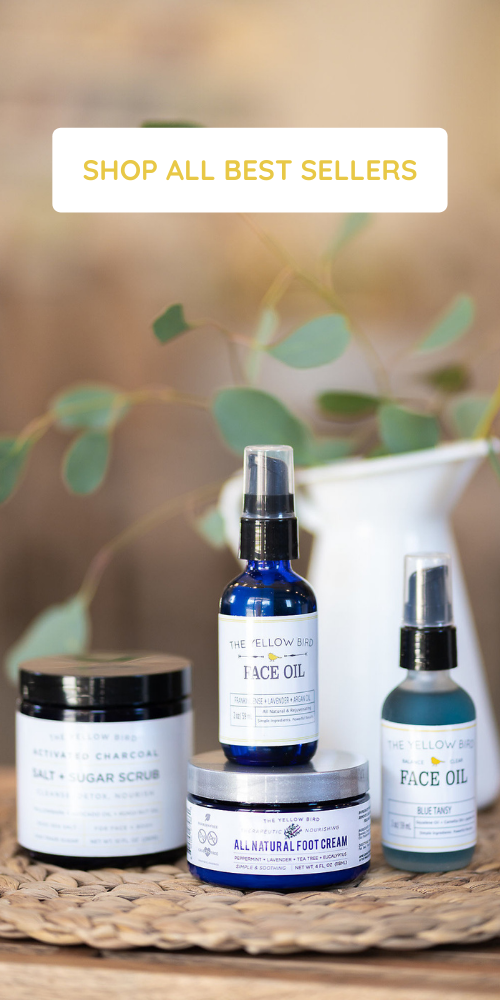
You can find that combination in The Yellow Bird all-natural foot cream, made with all of the above and nothing you don't need.

At a Glance
Step 1: Soak for 10 to 15 minutes
Start with a warm water soak. This is the step most people skip, and it's the most important one. Soaking softens the hardened outer layer so your cream can get in, and so your exfoliation removes loosened skin rather than forcing through it. Plain warm water works fine. Add a small handful of Epsom salt if you'd like, but it's not required.
Step 2: Apply cream to slightly damp skin
Pat your feet dry, but leave a little moisture. Apply your foot cream generously while the skin is still slightly damp. Damp skin absorbs ingredients significantly better than fully dry skin. We go deeper on why in our post on why foot cream isn't working, but the short version is: the moisture already in your skin helps draw the cream's active ingredients in.
Step 3: Let it sit for 5 to 10 minutes
Give the cream time to start working before you do anything else. The beeswax and shea butter need a few minutes to work on the hardened layers. If you're doing a more intensive overnight treatment, put on a pair of cotton socks after applying and leave it until morning. We cover the full overnight method in detail in our foot cream guide.
Step 4: Exfoliate gently, once or twice a week
With the callus softened by the cream, use a pumice stone or foot file with light pressure. Two or three passes is enough. You're removing what's already been loosened, not grinding through hard skin from scratch. Understanding how exfoliation works at a skin level makes it much easier to do it correctly. A gentle natural foot scrub is another good option, especially if you prefer something less abrasive than pumice.
Step 5: Apply cream again after exfoliating
After filing, the skin surface is temporarily more open and receptive. Apply a second thin layer of cream right away. This is when the occlusive layer from the beeswax is most valuable: it seals the freshly exfoliated area before it has a chance to dry out.
We hear this from customers regularly. Once they switched to softening with cream first, before reaching for the pumice stone, the difference in how the skin exfoliated was immediate. The callus came away without force, instead of taking real effort just to take the edge off.
How long before you see results?
With daily cream application and gentle weekly exfoliation, most people notice a real change in callus texture within two to four weeks. Very thick or long-standing calluses may take six to eight weeks. As GoodRx notes, consistency matters more than intensity. A daily habit beats occasional deep sessions every time.
Chemical callus treatments, like salicylic acid pads or 40% urea creams, work by dissolving the protein bonds that hold hardened skin cells together. They can produce faster results on thick calluses. Natural creams with shea butter, beeswax, and plant oils work more gradually: they soften from within and create a protective barrier, which makes them better suited to daily maintenance and sensitive skin.
Both approaches are effective. Which one fits depends on how severe your calluses are and how your skin responds.
A 2024 study in Primary Care found that consistent softening and protection of callus-prone areas reduces discomfort and slows recurrence. The specific method matters less than sticking with it.
| Natural Foot Cream | Chemical Treatment | |
|---|---|---|
| How it works | Softens and seals with plant-based oils and waxes | Breaks down keratin bonds to dissolve hardened layers |
| Best for | Daily maintenance, mild to moderate calluses, sensitive skin | Thick, stubborn calluses needing faster results |
| Speed of results | 2 to 4 weeks with consistent daily use | Days to weeks depending on callus thickness |
| Skin sensitivity | Gentle on surrounding healthy skin | Can irritate healthy skin at high concentrations |
| Safe for daily use | Yes | Not recommended at high concentrations |
| Long-term prevention | Well-suited for ongoing, everyday use | Better for targeted, short-term treatment |
At a Glance
If your calluses keep rebuilding quickly in the same spot despite a consistent routine, the root cause may not be your skin care at all. A callus that comes back within days of exfoliation is often your body responding to a pressure or gait issue that cream alone can't fix.
Podiatrists at Paragon Podiatry note that recurring calluses in the same location can indicate an abnormal gait, flat feet, high arches, or uneven stride mechanics. In those cases, a custom orthotic or a change in footwear may do far more to prevent recurrence than any topical treatment.
It's worth seeing a podiatrist if:
To be straight with you: foot cream is a genuinely useful tool for softening calluses and slowing how fast they build back up. But if the pressure point driving them never changes, you're managing a symptom, not solving a problem. A podiatrist can look at your gait, assess your footwear, and give you a real answer.
Calluses come back because most people treat them backwards: scrub first, moisturize after, wonder why the skin rebuilds just as thick as before. Flipping that order, and using a cream with the right ingredients, is what actually breaks the cycle.
The ingredients to look for: shea butter and beeswax for softening and sealing, coconut oil to carry those ingredients deeper, and tea tree oil to keep the area clean while it heals. Apply to slightly damp skin, let it work, exfoliate gently once or twice a week, and apply a second layer after. That's the whole routine.
The Yellow Bird all-natural foot cream was built for exactly this. We made it because customers were dealing with thick, stubborn skin on their feet and the existing options were either too harsh or not doing enough. Natural ingredients can get the job done, and they can do it without stripping your skin's protective barrier in the process.
If you want to build out a fuller foot care routine, our summer foot care guide is a great next step.
The best foot cream for calluses combines an occlusive barrier ingredient like beeswax with emollients that actively soften thickened skin, such as shea butter and coconut oil. This pairing softens the callus while keeping moisture sealed in long enough to reach the deeper layers. Clinical creams with 40% urea work faster on severe calluses but can irritate surrounding healthy skin. For daily maintenance and sensitive skin, a natural cream with plant-based oils and waxes is gentler and better suited for ongoing use.
Cream alone will soften a callus significantly, but removing the thickened layers also requires some exfoliation. The most effective approach combines both: soften with cream first, then use a pumice stone or foot file gently one to two times per week, then apply cream again afterward. The cream does most of the heavy lifting; the exfoliation removes what has already been loosened.
With daily application and weekly gentle exfoliation, most people notice a real change in callus texture within two to four weeks. Very thick or long-standing calluses may take six to eight weeks to improve significantly. Consistency matters more than intensity: a daily cream habit with weekly exfoliation will outperform occasional deep treatment sessions.
Yes. Applying foot cream daily is safe and recommended for callus care. Daily moisture helps prevent the callus from hardening further between exfoliation sessions. The one thing to avoid is daily exfoliation. Using a pumice stone or foot file just once or twice a week is enough. More frequent scrubbing signals your body to rebuild the callus faster, which works against you.
Calluses are caused by repeated friction and pressure, which triggers the skin to build thick, protective layers through a process called hyperkeratosis. Cracked heels are caused mainly by dryness and a loss of skin elasticity, which causes the skin to split. Both can appear around the heel, but the causes and treatment priorities differ. Calluses need softening plus gentle exfoliation; cracked heels need deep hydration and moisture sealing above all else.
By The Yellow Bird
The Yellow Bird is a family-owned natural skincare and wellness brand handcrafting plant-based products in North Carolina since 2015. Every formula is made with simple, honest ingredients and no synthetic fragrances, parabens, or sulfates.