Your Cart is Empty


TL;DR: Washcloths offer gentle daily exfoliation, help your natural soap bar last longer, and create a satisfying lather without synthetic chemicals. When made from hemp and organic cotton, they dry faster, resist bacteria naturally, and stay gentle enough for sensitive skin every single day. If you’ve been on the fence about switching from a loofah or bare hands, here’s what the science says — and what we’ve learned from years of pairing them with our handcrafted soap bars.
There’s a debate that’s been going on in bathrooms everywhere for years: washcloth or no washcloth? Loofah or bare hands? If you’ve ever Googled it, you’ve probably found strong opinions on every side.
At The Yellow Bird, we started carrying hemp and organic cotton washcloths because our customers kept asking for them. They wanted something gentle enough for daily use, natural enough to pair with our soap bars, and built to actually last. What we didn’t expect was how many people would tell us it changed their whole cleansing routine. Customers have described ours as “made from little clouds” and “the softest washcloths I’ve ever felt.” One mom told us her son, who normally hates getting his face wiped, doesn’t mind these at all.
So why use a washcloth? Here’s the full picture.
A washcloth gives your skin gentle daily exfoliation, helps natural soap lather better, and removes more dirt and dead skin than bare hands alone — all without the hygiene concerns that come with loofahs. When made from hemp and organic cotton, you also get a cloth that dries faster and resists bacteria naturally, making it a smarter choice for everyday use.
That’s the short version. Here’s the longer one.
Exfoliation is one of those topics where dermatologists don’t always agree. Some recommend it regularly. Others caution against overdoing it. Washcloths land right in the middle of that debate.
Where a facial scrub exfoliates through both chemical and physical means, a washcloth simply removes a thin layer of dead skin cells through normal cleansing. According to estheticians who study daily skincare tools, each pass of a washcloth across the skin provides a light mechanical exfoliation — just enough to clear away buildup without changing your skin’s pH or stripping its natural barrier.
This makes washcloths safe for daily use in a way that stronger exfoliants aren’t. You’re not scrubbing away healthy sebum. You’re just giving your skin a clean, fresh start each day.
That’s especially important if you care about your skin’s microbiome. Dermatologists now emphasize that over-cleansing and aggressive exfoliation can disrupt the beneficial bacteria your skin depends on. A washcloth used with a gentle, natural soap bar is one of the most balanced ways to cleanse every day.

Here’s where the data gets interesting — and a little uncomfortable if you’re a loofah fan.
A study published in the Journal of Clinical Microbiology found that natural sponges used in bathrooms can accumulate over 10 million colony-forming units of bacteria per square centimeter after just one week of regular use. The porous, fibrous structure of a loofah traps dead skin cells and moisture deep inside, where they’re nearly impossible to rinse out. That warm, damp environment is exactly what bacteria needs to multiply.
Washcloths aren’t immune to this either. Left damp and bunched in a humid shower, they can develop bacteria too. But there’s a key difference: dermatologists note that washcloths are far easier to keep hygienic because you can throw them in the laundry. A loofah can’t say the same.
Dr. Joel Schlessinger, a board-certified dermatologist, recommends using a washcloth with a gentle touch on the body, avoiding scrubbing too hard and keeping away from active skin irritations. For the face, he suggests clean hands or a soft cloth — advice that fits perfectly with the dual-sided design of our washcloths (more on that below).
The bottom line: both loofahs and washcloths need proper care. But washcloths are easier to clean, easier to dry, and easier to replace when needed.
One of our favorite things about pairing washcloths with soap bars is how much further your soap goes.
When you lather soap onto bare hands and apply it directly to skin, a lot of it runs straight down the drain before it has a chance to do much. A washcloth acts as a carrier — it holds the soap, builds up a lather, and applies it more evenly across your skin. The result is a better cleanse with less product.
If you want to make your handcrafted soap bar go even further, here are three simple habits that help:
This isn’t just good for your budget. It’s good for the environment too. Less soap wasted means fewer products consumed overall.
Not all washcloths are the same. The material matters more than most people realize — especially if you have sensitive skin or you’re using your washcloth every single day.
Our hemp and organic cotton washcloths are made from a blend that gives you the best of both fibers. Hemp is naturally antibacterial, which helps slow bacteria growth between uses. It’s also highly absorbent — independent textile testing shows hemp absorbs significantly more liquid per gram than conventional cotton, and its open fiber structure allows it to dry faster. Faster drying means fewer chances for bacteria to take hold.
The organic cotton side adds softness. Research from the National Eczema Association recognizes organic cotton as a top choice for sensitive skin conditions, thanks to its hypoallergenic properties and gentle feel.
Together, they create a cloth with two distinct sides. Our customers use the softer side for gentle daily cleansing and the slightly more textured side for exfoliation. One customer described using it “am and pm” and said she should have bought four packs. Another said her skin felt “smooth and soft and clearer” after using the textured side every other day on her face and neck.
That dual-sided design was intentional. We wanted something that could do more than one job — gentle enough for your face, effective enough for your body, and natural enough to feel good about using every day.
From an environmental standpoint, hemp is also worth choosing. Growing hemp requires less water than conventional cotton and no pesticides or synthetic fertilizers. Hemp plants are even phytoremediators — they help pull toxins out of soil and water. It’s one of the most sustainable fabric choices available.
The benefits of a washcloth are only as good as how you maintain it. Here’s what dermatologists recommend:
Hang it to dry after every use. Use a towel bar, not a hook. A hook keeps parts of the fabric pressed together and damp. A bar lets the whole cloth air out fully. Dermatologist Dr. Elizabeth Mullans specifically recommends this to prevent bacteria and fungal growth.
Wash it every two to three uses. Cleveland Clinic dermatologist Dr. Alok Vij recommends washing washcloths at least a couple of times a week. If you’re dealing with acne or eczema, washing after every single use is a smarter call.
Wash in hot water. Hot water (around 170 degrees or higher) kills more bacteria than cold. Avoid fabric softener — it can degrade the fibers over time and reduce absorbency.
Never share your washcloth. Even with family members. HowStuffWorks, citing Mayo Clinic, notes that sharing washcloths can spread staph and other skin infections.
Follow these habits and your washcloth stays a skin-care tool, not a skin-care problem.
Yes — when they’re made from the right materials.
The key is softness and breathability. Synthetic fabrics and rough conventional cotton can be too abrasive for sensitive skin when used daily. But hemp and organic cotton together create a gentle interface that most skin types tolerate well. Dermatologists describe soft washcloths as a “cost-effective” option for those who want mild exfoliation without risking irritation.
One of our most consistent pieces of feedback is how well these work for people who’ve struggled with other cloths or loofahs. Customers with sensitive skin tell us they finally found something that cleanses without making things worse. One parent mentioned that her son, who typically resists having his face wiped, tolerates ours without complaint. That kind of gentleness is built into the fiber choice — not an afterthought.
If you’re looking for products specifically formulated for sensitive skin to pair with your washcloth, our sensitive skin collection is a good place to start.
Here’s what it comes down to: a washcloth isn’t just a bathroom accessory. Used consistently with the right materials and a little care, it’s a daily skin health habit.
It exfoliates gently enough to do every day. It makes your soap last longer. It outperforms loofahs on hygiene when maintained properly. And when it’s made from hemp and organic cotton, it brings natural antibacterial properties and sustainability into your routine without you having to think about it.
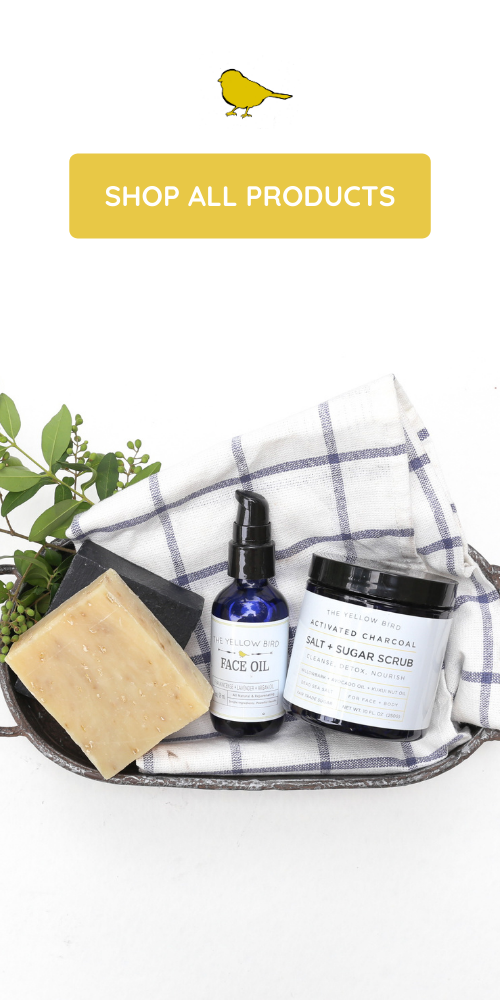
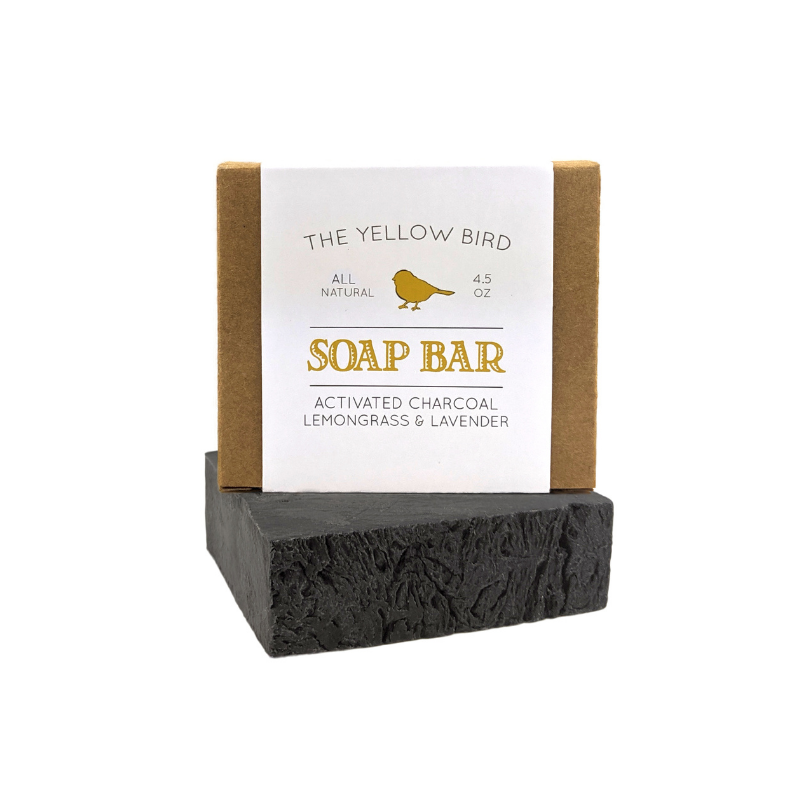
We designed ours to pair naturally with our natural soap bar collection and our activated charcoal soap — one of our most popular bars for deep cleansing. Together, they make a simple, effective daily routine that’s free of synthetics from start to finish.
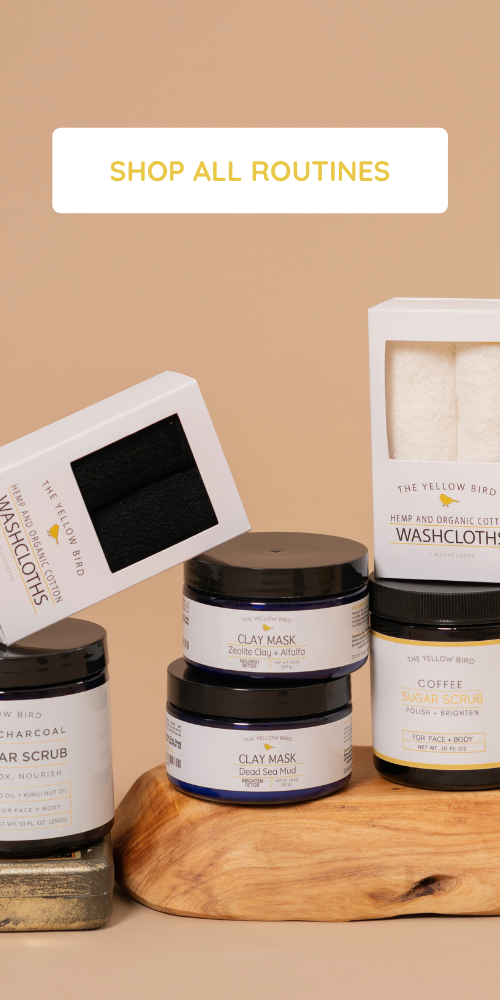
If you’re ready to make the switch, our hemp and organic cotton washcloths come in a set of two so you always have a clean one ready to go.
Small swap. Real difference.

How often should I wash my washcloth? Dermatologists recommend washing your washcloth every two to three uses at minimum, and after every use if you have acne-prone or sensitive skin. Wash in hot water and hang to dry fully between uses on a towel bar rather than a hook. Following this routine keeps bacteria from building up between washes.
Is a washcloth better than a loofah for sensitive skin? For most people with sensitive skin, yes. Loofahs have a rougher texture and a porous structure that traps moisture and bacteria. Washcloths made from soft natural fibers like hemp and organic cotton offer gentler daily exfoliation and are easier to launder regularly, making them a more hygienic choice for skin that reacts easily.

Can I use a washcloth on my face? Yes, with a gentle touch. Use the softer side of the cloth and avoid scrubbing. For the face, warm water and light circular motions are enough. If you have very reactive or acne-prone skin, some dermatologists suggest clean hands for face cleansing and reserving the washcloth for the body.
Why does hemp make a better washcloth than regular cotton? Hemp fiber is naturally antibacterial and absorbs more liquid per gram than conventional cotton. Its open fiber structure also dries faster, which reduces the window for bacteria to multiply between uses. Blended with organic cotton, it adds softness while keeping the natural antibacterial and quick-drying benefits intact.
Do washcloths work with natural soap bars? Absolutely — they’re one of the best pairings you can make. A washcloth acts as a carrier for your soap, building lather more efficiently and helping the bar go further than it would with bare hands. This means better cleansing with less product, which is better for your skin and your budget.
Last updated: June 2026